
Healthy Habits for Beginners: The Complete, No-Nonsense Guide
Complete guide · 9 articles on health in one place
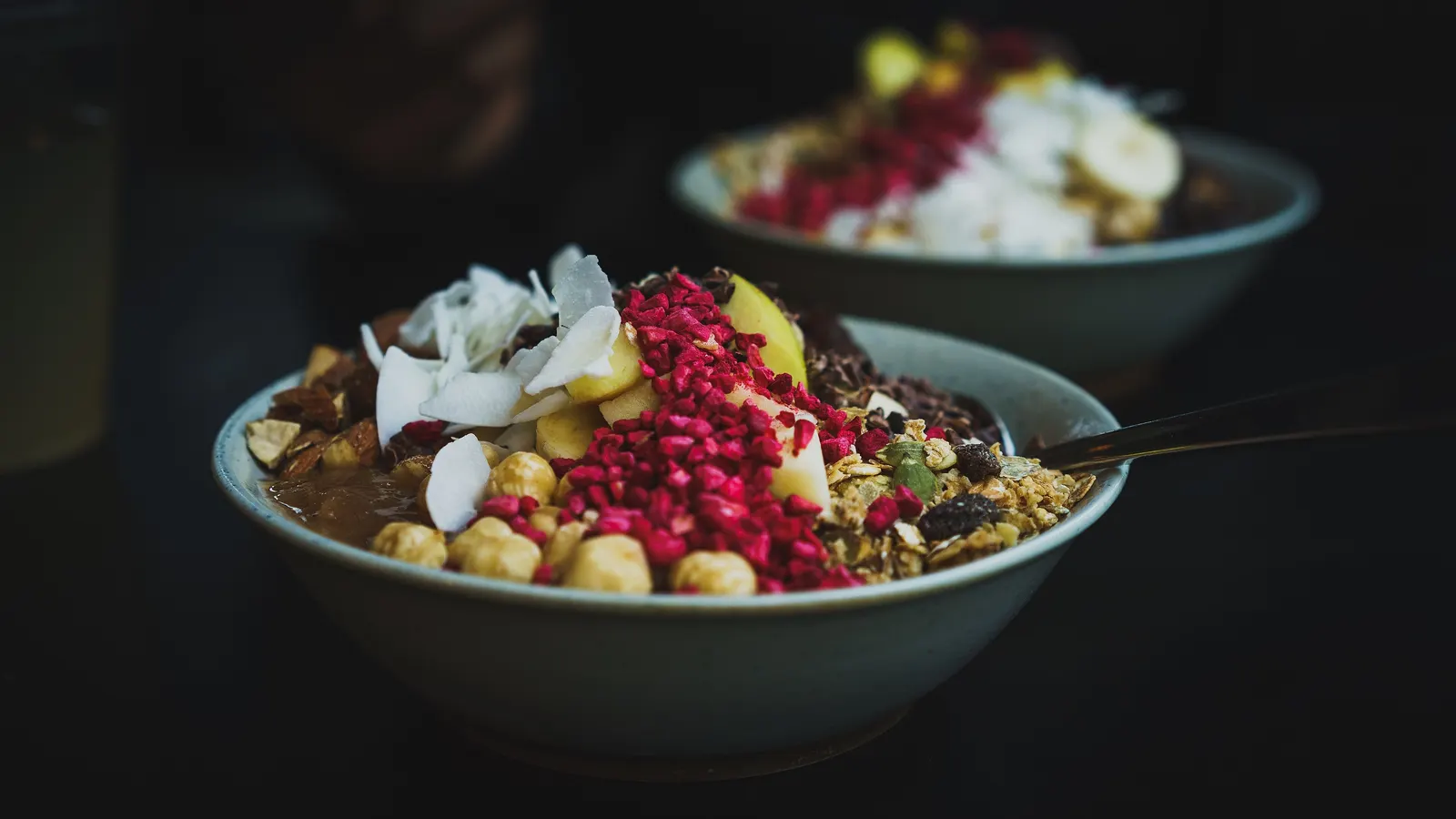
Health advice can feel like a wall of rules. Ten thousand steps. Two litres of water. No sugar. More protein. Less protein. Cold plunges. Supplements. A new rule every week, and most of them shouting.
Here is the quiet truth: for most adults, a handful of simple basics does most of the work. Sleep, movement, real food, water, daylight, people, a calmer mind. None of it is new. All of it is hard to keep, because we try to change everything at once.
This is the beginner's guide. It brings together everything the For No Reason journal has written about health, routines and habits, sorted by what matters most and how to start small. It is general wellbeing information, not medical advice. If you have a health condition, are pregnant, or take medication, check with your doctor before big changes.
The 10 healthy habits that matter most
If you only read one section, read this one. Here are the basics, in rough order of how much they tend to matter for an ordinary adult who wants to feel better.
- Sleep 7 to 9 hours at regular times.
- Move every day, and do some strength work twice a week.
- Eat more plants: vegetables, fruit, pulses, whole grains, nuts.
- Drink water as your main drink, to thirst.
- Get daylight in the morning.
- Do not smoke; keep alcohol low or none.
- Put the phone in its place: out of the bedroom, out of meals.
- See people every week.
- Give your mind a rest: quiet, nature, writing, prayer or reflection.
- Do one kind thing a day, for someone else.
The rest of this guide takes each one in turn: what the evidence says, the tiny version to start with, and where to read more.
Before you start: the beginner's rules
Rule 1: One habit at a time
The most common mistake is the "new me" Monday: gym, diet, early alarm, no phone, meditation, all on the same day. It lasts until Thursday. Start with one habit. Add another only when the first feels easy.
Rule 2: Make it tiny
A 10-minute walk, not a 10 km run. One vegetable at lunch, not a whole new diet. The tiny version must fit your worst day. You can always do more.
Rule 3: Tie it to something you already do
Habits form when the same action repeats in the same context (Wood & Neal, 2007). Use an if-then plan: "After I switch on the kettle, I drink a glass of water." Linking health actions to existing routines is one of the simplest ways to make them stick (Gardner, Lally & Wardle, 2012).
Rule 4: Expect two months
In a real-world study, new daily health habits took a median of 66 days to feel automatic, with a range of 18 to 254 days (Lally et al., 2010). Simple habits (a glass of water) formed faster than complex ones (exercise). Missing one day did not stop a habit forming. Never miss twice.
Rule 5: Track it on paper
A calendar on the wall, a tick a day. Recording progress helps people reach their goals (Harkin et al., 2016).
Habit 1: Sleep
Sleep is the base that everything else stands on. Tired people eat worse, move less and snap more.
- What the experts say: adults should sleep 7 or more hours a night on a regular basis (Watson et al., 2015). The US National Sleep Foundation recommends 7 to 9 hours for adults aged 26 to 64 (Hirshkowitz et al., 2015).
- Tiny start: a fixed "lights out" time, and a phone that charges outside the bedroom.
- Next step: a 20-minute wind-down. Our evening routine guide gives three ready-made versions.
Two small findings worth knowing: reading on a light-emitting screen before bed made people take longer to fall asleep and feel less alert the next morning than reading a printed book (Chang et al., 2015), and writing a specific to-do list for five minutes before bed helped people fall asleep faster (Scullin et al., 2018).
If you snore loudly, stop breathing in your sleep, or feel exhausted however long you sleep, see a doctor.
Habit 2: Move every day
- What the WHO says: adults should do 150 to 300 minutes of moderate activity a week (brisk walking, cycling, dancing) or 75 to 150 minutes of vigorous activity (running, fast swimming), plus muscle-strengthening activity on 2 or more days, and reduce long sitting (Bull et al., 2020). Any activity is better than none.
- Steps: in a pooled analysis of 15 studies, more daily steps were linked with lower risk of death, levelling off at about 6,000 to 8,000 steps a day for adults over 60 and 8,000 to 10,000 for younger adults (Paluch et al., 2022). You do not need exactly 10,000.
- Mood: a large review of reviews found physical activity helped symptoms of depression, anxiety and distress, with medium-sized effects (Singh et al., 2023).
- Tiny start: a 10-minute walk after one meal each day. Five squats while the kettle boils.
- Read next: benefits of walking every day, how much exercise do you need, and the day-by-day 30-day fitness challenge for beginners.
Habit 3: Eat more plants
You do not need a named diet. For most people, the biggest gain is simply more vegetables, fruit, pulses, whole grains and nuts, and fewer ultra-processed foods, sugary drinks and salty snacks.
- What the WHO says: eat at least 400 g (five portions) of fruit and vegetables a day, keep free sugars below 10% of energy (ideally below 5%), and keep salt below 5 g a day (WHO healthy diet fact sheet).
- Research: a large meta-analysis linked higher fruit and vegetable intake with lower risk of heart disease, stroke and death, with the lowest risk at about 800 g a day (Aune et al., 2017).
- Tiny start: one portion of vegetables added to lunch. A bowl of fruit where you can see it.
- Read next: how to start eating healthy.
If you have diabetes, kidney disease, an eating disorder or food allergies, or are pregnant, get personal advice from a doctor or registered dietitian.
Habit 4: Water
There is no magic number for everyone. Needs change with heat, size, activity and food. A rough guide from Mayo Clinic is about 3.7 litres of total fluid a day for men and 2.7 litres for women, including the water in food. For most healthy people, the simplest rule is: drink water as your main drink, to thirst, and more when it is hot or you sweat. Forcing huge amounts (as some challenges demand) can be harmful; we explain why in 75 Hard.
- Tiny start: one glass of water before your first coffee or tea.
Habit 5: Morning daylight
Light is the strongest signal for your body clock. Morning light helps keep sleep and wake times regular, while bright light late at night tends to push them later (Blume, Garbazza & Spitschan, 2019).
- Tiny start: five to ten minutes outside, or by a bright window, within an hour of waking.
- Read next: morning routine, or build yours in two minutes with the free morning routine builder.
Habits are easier when someone notices you kept them. In our tribe, every Seeker gets small daily tasks for body, food and mind. Request to join.
Habit 6: Smoking and alcohol
The plainest advice in this guide: if you smoke, stopping is the single biggest health gain available to you, and free help (quitlines, your doctor, nicotine replacement) makes success much more likely. With alcohol, less is better; many people feel better with none. If you drink every day or cannot stop once you start, talk to a doctor. Our sister project The Quiet Month is about a calm month without alcohol.
Habit 7: Put the phone in its place
The phone is not evil, but it eats sleep, attention and time with people.
- People whose phones were in another room did better on tests of available mental capacity than people whose phones were on the desk, even face down (Ward et al., 2017).
- Students who limited social media to about 30 minutes a day for three weeks reported less loneliness and depression (Hunt et al., 2018).
- Checking email three times a day instead of constantly lowered daily stress in a one-week experiment (Kushlev & Dunn, 2015).
- Tiny start: phone charges outside the bedroom. No phone at meals.
- Read next: digital detox ideas and dopamine detox.
Habit 8: See people
Health is social. Across 148 studies, people with stronger social relationships had about a 50% greater likelihood of survival (Holt-Lunstad, Smith & Layton, 2010). That is comparable to well-known risk factors like smoking.
- Tiny start: one real conversation a day; one plan a week with someone you like.
- Read next: loneliness: a complete guide and how to make friends as an adult.
Habit 9: Rest your mind
A busy mind wears the body out. Simple, free practices help:
- Nature: a 90-minute walk in a natural setting reduced rumination and activity in a brain region linked with it, compared with an urban walk (Bratman et al., 2015).
- Writing: writing about feelings can help people make sense of hard experiences (Pennebaker, 1997). Try our journal prompts or gratitude journal prompts.
- Quiet: five minutes of silence, prayer or slow breathing. Being alone with your thoughts is a skill; many people find it hard at first (Wilson et al., 2014).
- Read next: how to stop overthinking and how to be happier.
Habit 10: One kind act a day
It sounds out of place in a health guide. It is not. Doing kind things for others has a small-to-medium positive effect on the wellbeing of the person doing them (Curry et al., 2018). It also gets you out of your own head. Try the random act of kindness generator or read kindness: 200 ideas.
A 30-day healthy habits starter plan
This plan adds one tiny habit a week. Do not add a new one if the last one is still wobbly.
Week 1: Sleep. Fixed lights-out time. Phone charges outside the bedroom.
Week 2: Move. 10-minute walk after one meal, every day, in daylight if you can.
Week 3: Eat. One extra portion of vegetables or fruit a day. One glass of water before the first hot drink.
Week 4: Mind and people. One real conversation a day. Five quiet minutes before bed.
Track all of it on one paper calendar. At the end of the month, keep what worked and raise one habit slightly (a 15-minute walk, two portions). Want it done for you? Generate a plan with the 30-day challenge generator, or follow the 30-day discipline challenge.
Sample day for a beginner
| Time | Habit | Tiny version |
|---|---|---|
| Wake | Water + daylight | One glass, five minutes outside |
| Morning | One important thing before the phone | One page, one plan |
| Lunch | Plants | One extra portion of vegetables |
| After a meal | Walk | Ten minutes |
| Evening | People | One call or message that asks "how are you really?" |
| Before bed | Wind down | Phone outside, to-do list for tomorrow, lights out on time |
If you are bored at home and want healthier things to do than scroll, we wrote 60 ideas.
Common beginner mistakes
- Changing everything on Monday. One habit at a time.
- All-or-nothing thinking. A 5-minute walk counts. Half a healthy lunch counts.
- Copying someone else's routine. Fit the habit to your life, shifts, family and body.
- Buying gear instead of starting. Shoes you already own are fine.
- Sacrificing sleep for an early workout. Sleep first.
- Ignoring warning signs. Chest pain, fainting, sudden breathlessness or unusual symptoms need a doctor, not a habit.
When to see a doctor
Healthy habits are not a substitute for medical care. See a doctor if you have a long-term condition, are pregnant, take regular medication, have not exercised for a long time and have risk factors, or have symptoms such as chest pain, dizziness, unexplained weight loss, or low mood most days for two weeks or more. If you have thoughts of harming yourself, call your local emergency number or a helpline: 988 in the US and Canada, Samaritans 116 123 in the UK and Ireland, or findahelpline.com elsewhere. See our crisis help page.
A task for tomorrow
Tomorrow morning, before you touch your phone, drink one glass of water and stand outside for five minutes. That is it. Two healthy habits, before 8am, in under ten minutes. Tick the calendar. Do it again the day after.
If you want a small daily task for body, food and mind, and a tribe that does them with you: request to join.
Walking beside you,
The Chief
Sources
- Wood, W., & Neal, D. T. (2007). A new look at habits and the habit-goal interface. Psychological Review, 114(4), 843-863. doi.org/10.1037/0033-295X.114.4.843
- Gardner, B., Lally, P., & Wardle, J. (2012). Making health habitual: the psychology of 'habit-formation' and general practice. British Journal of General Practice, 62(605), 664-666. doi.org/10.3399/bjgp12X659466
- Lally, P., van Jaarsveld, C. H. M., Potts, H. W. W., & Wardle, J. (2010). How are habits formed. European Journal of Social Psychology, 40(6), 998-1009. doi.org/10.1002/ejsp.674
- Harkin, B., Webb, T. L., Chang, B. P. I., et al. (2016). Does monitoring goal progress promote goal attainment? Psychological Bulletin, 142(2), 198-229. doi.org/10.1037/bul0000025
- Watson, N. F., Badr, M. S., Belenky, G., et al. (2015). Recommended amount of sleep for a healthy adult. Journal of Clinical Sleep Medicine, 11(6), 591-592. doi.org/10.5664/jcsm.4758
- Hirshkowitz, M., Whiton, K., Albert, S. M., et al. (2015). National Sleep Foundation's sleep time duration recommendations. Sleep Health, 1(1), 40-43. doi.org/10.1016/j.sleh.2014.12.010
- Chang, A.-M., Aeschbach, D., Duffy, J. F., & Czeisler, C. A. (2015). Evening use of light-emitting eReaders negatively affects sleep, circadian timing, and next-morning alertness. PNAS, 112(4), 1232-1237. doi.org/10.1073/pnas.1418490112
- Scullin, M. K., Krueger, M. L., Ballard, H. K., Pruett, N., & Bliwise, D. L. (2018). The effects of bedtime writing on difficulty falling asleep. Journal of Experimental Psychology: General, 147(1), 139-146. doi.org/10.1037/xge0000374
- Bull, F. C., Al-Ansari, S. S., Biddle, S., et al. (2020). World Health Organization 2020 guidelines on physical activity and sedentary behaviour. British Journal of Sports Medicine, 54(24), 1451-1462. doi.org/10.1136/bjsports-2020-102955
- Paluch, A. E., Bajpai, S., Bassett, D. R., et al. (2022). Daily steps and all-cause mortality: a meta-analysis of 15 international cohorts. The Lancet Public Health, 7(3), e219-e228. doi.org/10.1016/S2468-2667(21)00302-9
- Singh, B., Olds, T., Curtis, R., et al. (2023). Effectiveness of physical activity interventions for improving depression, anxiety and distress: an overview of systematic reviews. British Journal of Sports Medicine, 57(18), 1203-1209. doi.org/10.1136/bjsports-2022-106195
- World Health Organization. Healthy diet (fact sheet). who.int
- Aune, D., Giovannucci, E., Boffetta, P., et al. (2017). Fruit and vegetable intake and the risk of cardiovascular disease, total cancer and all-cause mortality. International Journal of Epidemiology, 46(3), 1029-1056. doi.org/10.1093/ije/dyw319
- Blume, C., Garbazza, C., & Spitschan, M. (2019). Effects of light on human circadian rhythms, sleep and mood. Somnologie, 23(3), 147-156. doi.org/10.1007/s11818-019-00215-x
- Ward, A. F., Duke, K., Gneezy, A., & Bos, M. W. (2017). Brain drain: The mere presence of one's own smartphone reduces available cognitive capacity. Journal of the Association for Consumer Research, 2(2), 140-154. doi.org/10.1086/691462
- Hunt, M. G., Marx, R., Lipson, C., & Young, J. (2018). No more FOMO. Journal of Social and Clinical Psychology, 37(10), 751-768. doi.org/10.1521/jscp.2018.37.10.751
- Kushlev, K., & Dunn, E. W. (2015). Checking email less frequently reduces stress. Computers in Human Behavior, 43, 220-228. doi.org/10.1016/j.chb.2014.11.005
- Holt-Lunstad, J., Smith, T. B., & Layton, J. B. (2010). Social relationships and mortality risk. PLoS Medicine, 7(7), e1000316. doi.org/10.1371/journal.pmed.1000316
- Bratman, G. N., Hamilton, J. P., Hahn, K. S., Daily, G. C., & Gross, J. J. (2015). Nature experience reduces rumination and subgenual prefrontal cortex activation. PNAS, 112(28), 8567-8572. doi.org/10.1073/pnas.1510459112
- Pennebaker, J. W. (1997). Writing about emotional experiences as a therapeutic process. Psychological Science, 8(3), 162-166. doi.org/10.1111/j.1467-9280.1997.tb00403.x
- Wilson, T. D., et al. (2014). Just think: The challenges of the disengaged mind. Science, 345(6192), 75-77. doi.org/10.1126/science.1250830
- Curry, O. S., Rowland, L. A., Van Lissa, C. J., et al. (2018). Happy to help? Journal of Experimental Social Psychology, 76, 320-329. doi.org/10.1016/j.jesp.2018.02.014
Questions
What are the most important healthy habits?
For most adults: regular sleep of 7 to 9 hours, daily movement plus some strength work, a diet with plenty of vegetables, fruit, whole grains and pulses, water as the main drink, not smoking, little or no alcohol, morning daylight, limited recreational screen time, and regular time with people.
How do I start healthy habits as a beginner?
Pick one habit, make it tiny (a 10-minute walk, one glass of water, one vegetable at lunch), attach it to something you already do every day, and track it on a paper calendar. Add a second habit only when the first feels easy.
How many healthy habits should I start at once?
One or two. Starting ten habits at once is the most common reason people quit. Add one new habit every two to four weeks.
How long does it take to build a healthy habit?
In a real-world study, new daily habits took a median of 66 days to feel automatic, with a wide range from 18 to 254 days. Simple habits like drinking water form faster than complex ones like exercise.
How much exercise do beginners need?
The WHO recommends 150 to 300 minutes of moderate activity a week for adults, plus muscle strengthening twice a week. Beginners can start far lower, such as 10 minutes of brisk walking a day, and build up. Some activity is better than none.
What is the easiest healthy habit to start?
A daily walk, ideally in daylight and soon after waking. It needs no equipment, helps sleep and mood, and is easy to stack with other habits like a phone-free coffee.
General information for wellbeing, not medical, psychological or financial advice. If you are struggling, see crisis help.