
How to Be Happy Alone: Learning to Enjoy Your Own Company
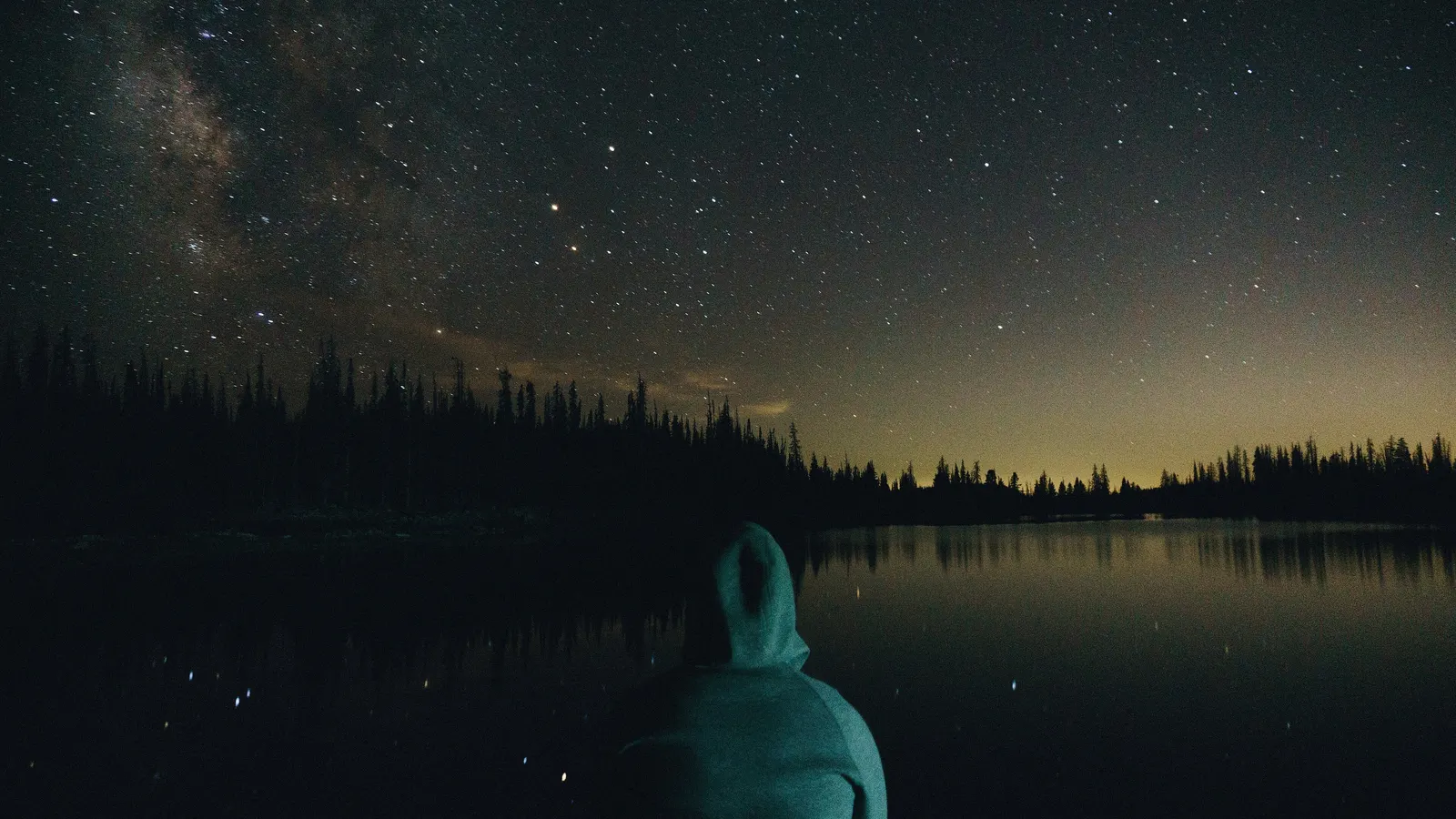
Saturday night. The phone is quiet. Everyone else, it seems, is somewhere, with someone. And you are here, with yourself, wondering if that is a problem.
It does not have to be. Learning how to be happy alone is one of the quiet skills that changes everything else: your friendships, your choices, even your love life. People who are at peace on their own choose company because they want it, not because they are running from themselves.
Alone is not the same as lonely
Being alone is a fact: nobody else is in the room. Loneliness is a feeling: the painful sense that your connections are not enough. You can be alone and content. You can be in a marriage, an office or a party and feel desperately lonely.
This distinction matters because the cures are different. Loneliness needs connection (read how to deal with loneliness). Discomfort with being alone needs practice.
What research says about time alone
- In a series of experiments, people who spent 15 minutes alone with no phone or other activity felt calmer afterwards: solitude reduced high-energy emotions, both positive and negative. When people chose solitude for its own sake, it went with more positive experiences, such as relaxation (Nguyen, Ryan & Deci, 2018).
- A study on the benefits of solitude described freedom, creativity, intimacy with oneself and spirituality as things people found in time alone (Long & Averill, 2003).
- But sitting with our own minds is hard at first. In one famous set of studies, many participants chose to give themselves a mild electric shock rather than sit alone with their thoughts for 15 minutes (Wilson et al., 2014).
So the discomfort you feel is normal. It is not a sign that solitude is wrong for you. It is a sign that it is a muscle you have not used much yet.
11 ways to enjoy your own company
1. Choose it, do not just endure it
Research suggests the motive matters. Instead of "everyone's busy, so I'm stuck at home", try "tonight is mine." Plan your evening alone as deliberately as you would plan a date.
2. Give your day a shape
Empty time without shape becomes heavy. A simple rhythm (a morning walk, a task, a meal, an evening ritual) turns hours into a day you lived on purpose.
3. Take yourself out
Go to the cinema alone. Eat at a good café with a book. Visit a museum at your own pace. At first it feels exposed. After a few times it feels like freedom: you go where you want, stay as long as you like, leave when you are done.
4. Cook properly for one
Lay the table. Use the good plate. Cook something with care. How you treat yourself when no one is watching tells you, quietly, how much you think you are worth.
5. Start a project that needs solitude
Some things can only be done alone: writing, painting, learning an instrument, building something, studying. Solitude stops being empty when it becomes the space where your project grows.
If you want time alone that has a purpose, and a tribe to come back to: request to join.
6. Walk without headphones
Let your mind wander. Notice what you think about when no one is talking to you. Walking alone is one of the oldest ways humans have of thinking clearly.
7. Write to yourself
Keep a journal. Ask yourself the questions you would ask a friend: How are you really? What do you want? Our journal prompts for self-discovery will give you a place to start.
8. Limit the comparison machine
Scrolling through other people's weekends on a quiet night alone is a reliable way to feel worse. Put the phone in another room for the evening. Your night is not a contest.
9. Learn to sit still
Start with five minutes of sitting quietly: breathing, prayer, or simply looking out of the window. Build up slowly. You are teaching yourself that your own mind is a safe place to be.
10. Keep a few threads of connection
Being happy alone is not the same as being cut off. Keep a few regular points of contact: a weekly call, a club, a class, volunteering. A good life usually has both solitude and company, in a balance that suits you.
11. Be kind to someone, even from alone
Write a letter. Leave a kind review for a small business. Send a voice note to an old friend. Kindness connects you to people even on a night in. See our random act of kindness generator for an idea in one tap.
Being alone at the hardest times
Some moments test this skill more than others: a first weekend after a break-up, a birthday nobody remembered, a holiday season when everyone else seems to be gathered round a table. On those days, lower the bar. You do not have to be happy alone; you only have to be gentle with yourself alone.
- Plan the day in advance, hour by hour if you need to. Empty hours are the heaviest.
- Get outside before noon. Daylight and movement steady the mood.
- Book one point of contact: a call, a visit, a volunteer shift. Many charities need extra hands on holidays.
- Make one small ritual: a special breakfast, a candle in the evening, a letter to someone you love.
- Go to bed knowing tomorrow is ordinary again. Hard days end.
Solitude and relationships
People who are comfortable alone often have better relationships, not worse ones. They are less likely to cling, to stay in something unhealthy out of fear of an empty flat, or to need constant reassurance. Being able to say "I'm fine on my own tonight" makes "I'd love to see you" mean more. Solitude, practised well, is not the opposite of love. It is part of the ground love grows in.
When being alone hurts too much
If time alone fills you with dread, if you feel empty or hopeless for weeks, or if you have any thoughts of harming yourself, please do not carry it on your own. Talk to someone you trust or a doctor. Free, confidential helplines are listed at findahelpline.com. In the USA and Canada call or text 988; in the UK and Ireland, Samaritans on 116 123; in an emergency, your local emergency number. Our safety page lists more.
A task for this weekend
Plan a two-hour date with yourself. Choose where you will go, what you will eat, what you will do. Go alone, without scrolling. Afterwards, write three lines: what you enjoyed, what was uncomfortable, and what you would do differently next time.
The day you can enjoy your own company is the day you stop accepting company that is not good for you.
If you want to be at peace alone, and never alone when it matters: request to join.
Walking beside you,
The Chief
Sources
- Nguyen, T. T., Ryan, R. M., & Deci, E. L. (2018). Solitude as an approach to affective self-regulation. Personality and Social Psychology Bulletin, 44(1), 92-106. doi.org/10.1177/0146167217733073
- Long, C. R., & Averill, J. R. (2003). Solitude: An exploration of benefits of being alone. Journal for the Theory of Social Behaviour, 33(1), 21-44. doi.org/10.1111/1468-5914.00204
- Wilson, T. D., et al. (2014). Just think: The challenges of the disengaged mind. Science, 345(6192), 75-77. doi.org/10.1126/science.1250830
- Find a Helpline (international directory). findahelpline.com
Related reading: How to deal with loneliness · The male loneliness epidemic · How to stop overthinking
Questions
Is it possible to be happy alone?
Yes. Many people find chosen time alone restful and creative. Research suggests solitude that you choose can calm strong emotions. The difference that matters is between solitude (chosen, restful) and loneliness (the painful sense that your connections are not enough).
What is the difference between being alone and being lonely?
Being alone is a physical fact: no one else is with you. Loneliness is a feeling: your relationships do not meet your need for connection. You can be alone without feeling lonely, and lonely in a crowded room.
How do I stop feeling lonely when I live alone?
Give your days a shape, get outside daily, keep a few regular points of contact (a weekly call, a club, volunteering), and treat your home and meals with care. If loneliness is heavy or lasting, reach out to people and, if needed, a professional.
Is it healthy to enjoy being alone?
Enjoying time alone is healthy for most people, as long as you also have some meaningful connection. If you are avoiding people because of fear, low mood or shame, it may be worth talking to someone you trust or a professional.
General information for wellbeing, not medical, psychological or financial advice. If you are struggling, see crisis help.