
Journal · Kindness for no reason
How to Be a Kinder Person: Twelve Daily Practices
Most of us believe we are fairly kind. And most of us, if we are honest, can remember a recent moment when we were not: the sharp reply to a tired partner, the eye-roll at a slow cashier, the message we left unanswered because we were busy, the joke at someone's expense.
Wanting to be kinder is not a sign that you are unkind. It is a sign that you are paying attention. That is where every change begins.
Kindness is a practice, not a personality
We often talk about kindness as a trait, as if some people are born kind and others are not. But day to day, kindness looks much more like a set of small habits: noticing, pausing, choosing, acting. Habits can be built. (If you want the science of how, see how long it takes to form a habit.)
Here are twelve practices. You do not need all of them. Choose one or two and live with them for a month.
Twelve practices for a kinder life
1. Notice first
Unkindness is often not cruelty but inattention. We miss the colleague who is struggling, the neighbour who has gone quiet, the stranger who dropped their glove. Kindness begins with looking up. Put the phone away in shared spaces and ask yourself several times a day: Who here might need something?
2. Pause before you react
Between what someone does and how you respond, there is a small space. Use it. Take one breath before replying to the message that annoyed you, or before snapping at someone who is slow. That breath is often the whole difference between harshness and kindness.
3. Imagine two other explanations
When someone cuts you off in traffic, your mind writes a story: selfish idiot. Try writing two others: maybe they are rushing to a hospital; maybe they simply did not see me. You will rarely know which is true. But generous explanations make you calmer and kinder, and they are often closer to reality than you think.
4. Say the kind thing you were thinking
How often do you think something good about someone and never say it? Research suggests people underestimate how much others enjoy receiving compliments, and so give fewer than they could (Zhao & Epley, 2021). When an appreciative thought crosses your mind, say it out loud. Be specific.
5. Act on small impulses to help
The urge to help often arrives quietly (I could offer to carry that) and is just as quietly overruled by doubt (they might not want me to). Studies found people consistently underestimate how much recipients value small kind acts (Kumar & Epley, 2023). Lean towards the impulse.
6. Listen to understand, not to reply
Real listening is a rare gift. Let people finish. Ask a follow-up question. Resist the urge to fix, advise or top their story with yours. Sometimes the kindest thing you can do is simply be fully present.
If you're searching, we may be what you're looking for: request to join.
7. Talk to strangers
Many of us avoid small talk with strangers because we expect it to be awkward. In experiments with commuters, people who were asked to talk to a stranger reported a more pleasant journey than those who sat in silence, even though most had predicted the opposite (Epley & Schroeder, 2014). A brief, warm exchange is kindness to both of you.
8. Be kind about people who are not in the room
Gossip is a quiet form of unkindness. When conversation turns to criticising someone absent, try changing the subject, or saying something fair in their defence. People notice. Trust grows around those who speak well of others.
9. Be honest, gently
Kindness is not the same as niceness. Sometimes the kind thing is the honest thing: telling a friend the truth they need to hear, saying no to a request you cannot meet, giving clear feedback at work. The art is in the how: privately, specifically, with care for the person's dignity.
10. Hold boundaries without hostility
You can be kind and still protect your time, energy and safety. "I can't help this week, but I hope it goes well" is kind. Resentful yeses that leave you bitter are not. Boundaries keep kindness sustainable.
11. Turn kindness inward
How you speak to yourself shapes how you speak to others. Self-criticism tends to leak outward as impatience. Self-compassion means treating your own mistakes with the warmth you would offer a friend. In a randomised trial, an eight-week self-compassion programme increased participants' self-compassion and well-being compared with a waitlist group (Neff & Germer, 2013). Kindness to yourself is not indulgence. It is the well other kindness draws from.
12. Make it daily
One small, deliberate act of kindness each day changes you more than a grand gesture each year. In our tribe, kindness is one of the daily task categories for exactly this reason: repeated, ordinary goodness gradually becomes who you are. For inspiration, see our 50 random acts of kindness.
When kindness is hard
There will be days when you are depleted, grieving, ill or simply worn out. On those days, kindness can be very small: not snapping, saying thank you, letting someone else go first. That counts. And if you fall short, return to practice 11. Forgive yourself, and begin again tomorrow.
Your kindness task
Choose one practice from this list. Write it on a card and keep it in your pocket or as your phone's lock screen for seven days. Each evening, note one moment when you used it, and one moment when you could have.
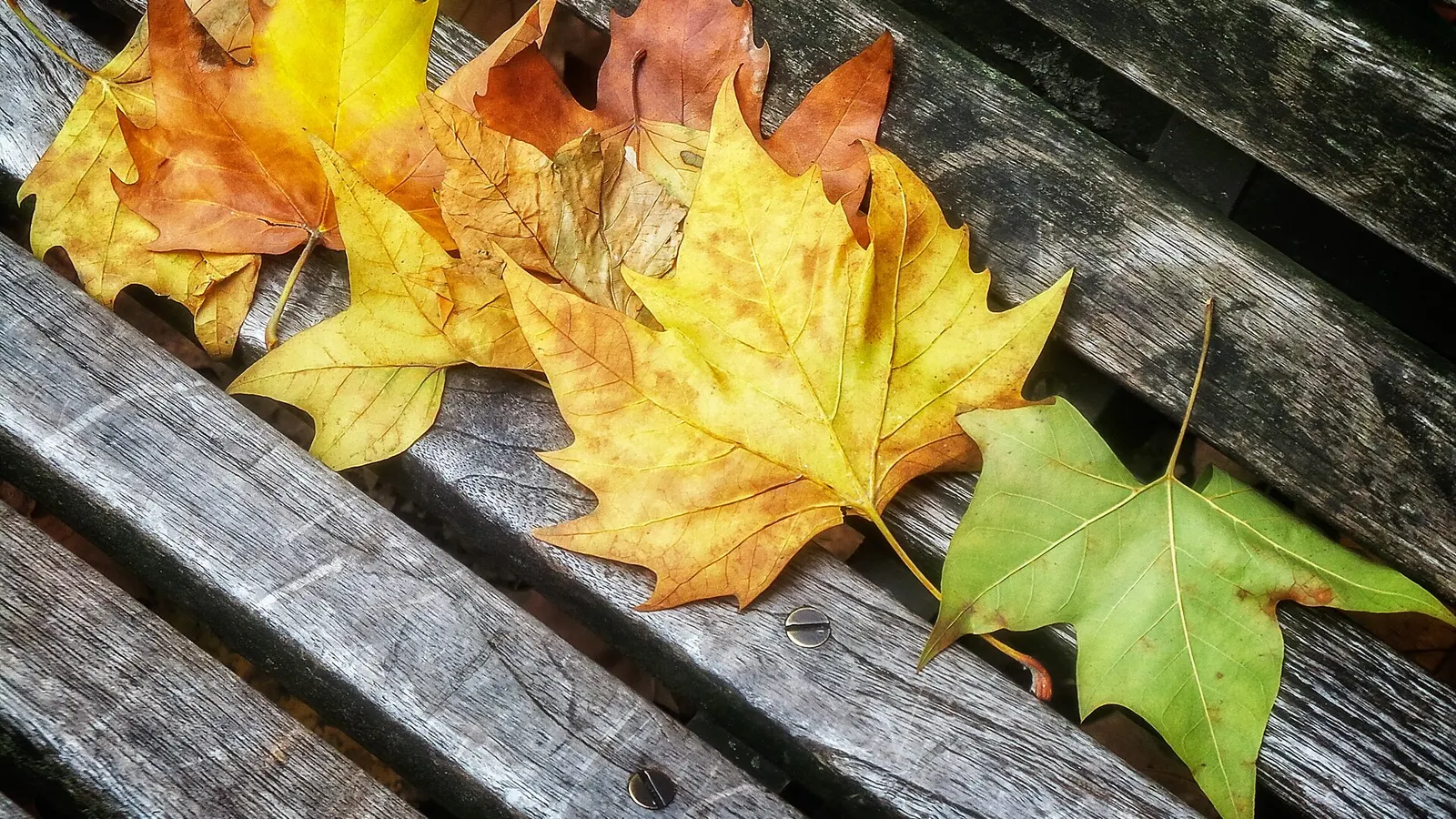
There is a park bench somewhere, scattered with autumn leaves, where someone will sit tomorrow feeling alone. Perhaps you will be the one who sits down beside them and says good morning. That is how a kinder world is made: not all at once, but one person, one bench, one ordinary day at a time.
If you're searching, we may be what you're looking for: request to join.
With warmth,
The Chief
Sources
- Zhao, X., & Epley, N. (2021). Insufficiently complimentary? Underestimating the positive impact of compliments creates a barrier to expressing them. Journal of Personality and Social Psychology, 121(2), 239-256. doi.org/10.1037/pspa0000277
- Kumar, A., & Epley, N. (2023). A little good goes an unexpectedly long way: underestimating the positive impact of kindness on recipients. Journal of Experimental Psychology: General, 152(1), 236-252. doi.org/10.1037/xge0001271
- Epley, N., & Schroeder, J. (2014). Mistakenly seeking solitude. Journal of Experimental Psychology: General, 143(5), 1980-1999. doi.org/10.1037/a0037323
- Neff, K. D., & Germer, C. K. (2013). A pilot study and randomized controlled trial of the Mindful Self-Compassion program. Journal of Clinical Psychology, 69(1), 28-44. doi.org/10.1002/jclp.21923
Related reading: The benefits of kindness · How to make friends as an adult · How to find your purpose in life
Questions
Can you learn to be kinder?
Yes. Kindness is partly a set of habits: noticing others, pausing before reacting, choosing generous interpretations and acting on small impulses to help. Habits can be practised and strengthened.
How can I be kinder when I'm stressed or tired?
Start with yourself: rest, food and a pause before speaking make kindness easier. Keep acts small, such as a thank-you or a patient reply, and forgive yourself on harder days.
Is being kind the same as being nice?
Not exactly. Niceness often means avoiding friction. Kindness means caring about someone's real good, which sometimes includes honest feedback, firm boundaries or saying no.
How do I stop being so judgmental?
When you notice a harsh judgement, try generating two other possible explanations for the person's behaviour. Curiosity ('I wonder what's happening for them?') is a reliable antidote to quick judgement.
General information for wellbeing, not medical, psychological or financial advice. If you are struggling, see crisis help.